When Google announced on June 18, 2026, that its video conferencing giant Google Meet was finally joining the party in vehicles, it wasn’t just another software update—it was a direct answer to the modern commuter’s biggest headache: missing calls while stuck in traffic. The integration brings meeting capabilities directly to the dashboard of any car running Android Auto, but with a crucial twist designed for safety.
Here’s the thing: you won’t be watching your boss’s face from the driver’s seat. The new feature is strictly audio-only. It turns your car into a high-quality conference room endpoint, letting you join scheduled meetings or dial recent contacts with a single tap, all while keeping your eyes on the road. For millions of users who treat their commute as an extension of their office, this changes everything.
The Safety-First Design Philosophy
Turns out, Google learned from past mistakes. In the early days of smartphone adoption, drivers were glued to screens, checking emails and videos at 60 miles per hour. This time around, the engineering team made a deliberate choice to strip away the visual clutter. When you launch Google Meet via Android Auto, the camera automatically switches off. Incoming video feeds are blocked entirely. What remains is a clean, simplified interface focused purely on sound.
You hear colleagues through your car’s speakers and speak through the built-in microphone. It’s essentially turning your vehicle into a premium Bluetooth headset for work calls. As noted by tech outlet NokiaPowerUser, this "audio-only experience" is intended to reduce distraction significantly compared to the full mobile app. If you need to see someone’s face or share a screen, the system politely suggests you pull over and switch to your phone.
How It Works Behind the Wheel
The user experience is surprisingly intuitive, though it does require a few setup steps if you’re doing it for the first time. According to the Google Meet Help Center, the process starts with ensuring your Android phone has the latest version of the Meet app installed. Once connected to a compatible vehicle via USB or Bluetooth, the Meet icon appears in the Android Auto launcher.
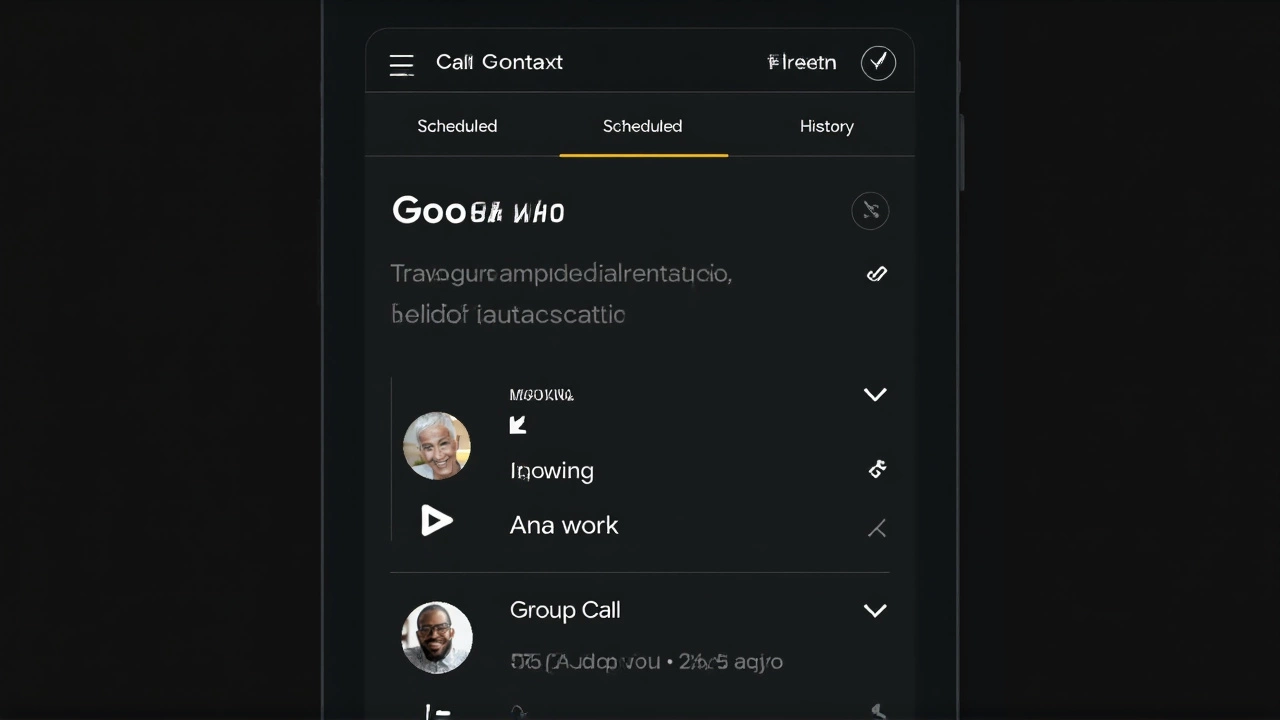
Once inside the app, you’ll find two main tabs:
- Scheduled: Lists upcoming meetings from your calendar. Tap one, and you join instantly—no pre-call waiting screen, no video checks. Just straight into the conversation.
- History: A quick-dial list of colleagues or clients you’ve contacted recently. Perfect for those spontaneous "quick sync" calls during a drive.
While in a call, controls are minimal: mute/unmute and hang up. That’s it. No chat windows, no participant lists, no settings menus. This simplicity is key. As reported by 9to5Google, the interface skips the usual pre-join options found on desktop versions, connecting you immediately upon tapping "Join."
Rollout Timeline and Availability
If you’re wondering why you might not see it yet, timing matters. The rollout began appearing for some testers as early as June 4, 2026, but the official global announcement came on June 18. For users on Google Workspace’s Rapid Release track, the feature is available now. However, if your organization uses the Scheduled Release track, expect the feature to fully land by June 26, 2026.
Oddly enough, there’s no admin toggle for this feature. Google Workspace administrators cannot disable Meet on Android Auto for their teams. It’s ON by default for anyone with the app installed. This means corporate IT departments don’t have to lift a finger; the feature activates automatically when employees connect their phones to supported cars.
This availability extends beyond enterprise users. It’s open to all Google Workspace customers, Workspace Individual subscribers, and even those with personal Gmail accounts. Whether you’re a freelancer hopping between client calls or a CEO closing deals from the backseat (well, front seat, legally speaking), the tool is yours.
Context: The Race for Dashboard Dominance
But wait—why now? The move follows closely on the heels of similar integrations on competing platforms. TechJuicePK noted that Google added comparable functionality to Apple CarPlay just days before this Android Auto launch. This isn’t accidental. It’s a strategic response to the growing demand for seamless mobility in professional life.
Consider the precedent set by WhatsApp and Telegram, which already allow basic calling from dashboards. By bringing Google Meet—a staple of hybrid work culture—into the car, Google is acknowledging that the office is no longer a place; it’s a state of mind carried in your pocket. And increasingly, that pocket is sitting next to the gear shift.
For developers and designers, this signals a broader trend: apps must adapt to constrained environments. The "On-the-Go mode" triggered when starting a call from Android Auto simplifies the phone’s UI too, showing how deeply integrated these systems are becoming. If you start a call on your phone and then plug into the car, the audio handoffs automatically. Disconnect? It goes back to the phone. Seamless.
What’s Next for In-Car Connectivity?
As we look ahead, the implications are clear. We’re moving toward a future where the car is a true node in our digital workflow. With AI assistants already handling navigation and music, adding real-time collaboration tools like Meet fills a critical gap. Expect more features to follow: perhaps calendar syncing improvements, voice-command enhancements, or deeper integration with smart home devices once you arrive home.
For now, though, the message is simple: stay safe, stay connected, and keep your eyes on the road. The meeting will wait until you park—but thanks to Google, it doesn’t have to end just because you started driving.
Frequently Asked Questions
Can I watch video during Google Meet calls on Android Auto?
No, video is completely disabled for safety reasons. The Android Auto version of Google Meet is strictly audio-only. Your camera turns off automatically, and you cannot view other participants’ video feeds or share your screen while driving. If you need visual interaction, you must park and use the standard mobile or desktop app.
Do I need special permissions to enable this feature?
Not really. The feature is enabled by default for all users with the updated Google Meet app. You simply need to connect your Android phone to a vehicle compatible with Android Auto. On first use, you may need to grant microphone permissions on your phone, but no complex setup is required. Admins cannot disable it either.
When will my company get access to Google Meet on Android Auto?
Availability depends on your organization’s release track. If you’re on the Rapid Release track, it’s available immediately as of June 18, 2026. For Scheduled Release domains, the rollout is ongoing and expected to be complete by June 26, 2026. Personal Google account users also have immediate access.
Does this work with older Android Auto cars?
Yes, as long as your vehicle supports Android Auto and can connect via USB or Bluetooth. You’ll need to ensure both your car’s head unit software and the Google Meet app on your phone are updated to the latest versions. If the Meet icon doesn’t appear, check your Android Auto launcher settings to make sure it’s enabled.
How do I join a scheduled meeting from my car?
Open the Google Meet app on your Android Auto dashboard. Tap the "Scheduled" tab to see your upcoming meetings from your calendar. Select the desired meeting and tap "Join." The call connects instantly without a pre-call screen, and your video is automatically turned off. You can mute/unmute using the on-screen icons.